Manchester United's controversial cost-cutting measures under Sir Jim Ratcliffe and INEOS are reflected in an operating profit, as the club released their results for the first quarter of the new financial year.
The headlines from the latest report include:
Chief executive officer Omar Berrada said: "These robust financial results reflect the resilience of Manchester United as we make strong progress in our transformation of the club.
"The difficult decisions we have made in the past year have resulted in a sustainably lower cost base and a more streamlined, effective organisation equipped to drive the club towards improved sporting and commercial performance over the long-term.
"That has helped us to invest in our men's and women's teams, sitting in sixth and third places in the Premier League and Women's Super League respectively."
The total revenue is down two per cent from the first three months of the last financial year, with other revenue streams also reporting individual losses.
But these are very small reductions in each case, nothing too significant for a club and business the size of Manchester United.
But crucially, despite all those revenue streams reducing, Man Utd's operating profile went from a loss of £7m a year ago to a profit of £13m now.
It shows that Man Utd have been cost-cutting right across the business, and doing it effectively. This includes redundancies and other cost-cutting measures to reduce their cost base, but this has not proven popular in some areas of the club.
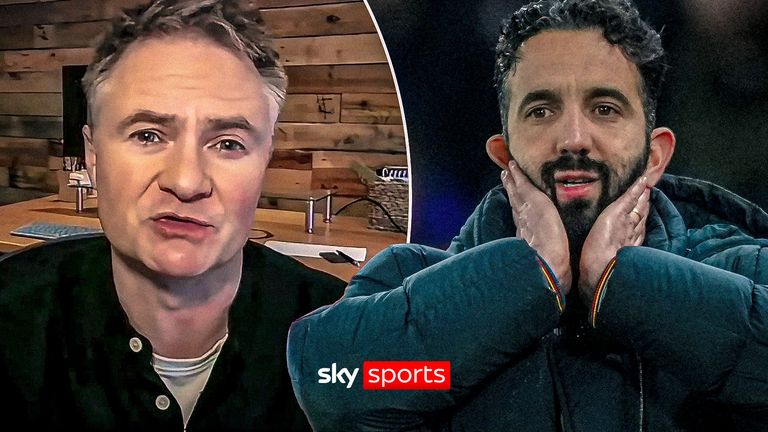
Analysis from SportsNews News' Rob Dorsett:
"It's not huge changes in the figures from a year ago, and this won't make any difference to the club's approach to the upcoming transfer window.
"Whilst Berrada has hailed the robust' financial figures, and pointed out in this financial statement that Man Utd are 'committed to, and complying with, the Premier League's PSR rules' - the truth is, Man Utd don't have huge money to spend, and it is much more likely they will save their big transfer investment until the summer, rather than pay what would likely be inflated fees to try to land some of their targets in January.
"Signing a world-class defensive midfielder remains the priority, but again, that is much more likely in the summer rather than January, with interest in Elliot Anderson, Adam Wharton and Carlos Baleba."